
Natural disasters do more than destroy buildings – they reshape societies. When a tornado, flood, earthquake or hurricane strikes, people must cope with loss and rebuild. These shared challenges often change how communities look and behave. In fact, disasters can prompt new laws, new building practices, new migration patterns and even new cultural traditions. In short: a disaster can act like a reset button on social norms, pushing people to adapt. For example, survivors often report that “neighbors helping neighbors” brings people closer together, and community groups spring up to rebuild and share resources.
Key effects include: forced population movements, stronger community ties and altruism, the loss or transformation of cultural sites, and updated policies for safety. We’ll cover each in turn, with real examples and evidence, to show how disasters generate lasting social change.
Demographic Shifts and Migration
When disaster strikes, many people must flee or relocate. Entire neighborhoods can be uprooted, causing demographic changes. Hurricane Katrina in 2005 forced almost the entire population of New Orleans to evacuate. In the year after, only about half of displaced adults returned, while others settled in cities like Houston, Baton Rouge, and Atlanta. Each new arrival brought local customs, cuisine, music, and traditions, introducing new cultural influences that could blend or create friction as communities mixed.
- Forced Migration: Disasters often cause both short-term evacuation and long-term moves. For instance, post-earthquake housing shortages in Nepal (2015) led some survivors to re-settle permanently in neighboring districts, altering local demographics.
- Cultural Blending (or Conflict):New arrivals bring languages, foods and festivals. Sudden influxes can strain resources and spark conflicts if not managed well, though migration can also enrich a region with new traditions.
- Brain Drain vs. Gain: In poorer countries, those with means may emigrate abroad after a disaster, draining local talent. Conversely, disaster zones sometimes receive “boom towns” of aid workers and technicians who introduce new skills and ideas.
Overall, population shifts ripple through society: schools may change as new children arrive, businesses adapt to different customers, and the collective identity of a place slowly evolves. After the 2017 Hurricane Maria, Puerto Rico’s population fell sharply as tens of thousands moved to the U.S. mainland, with new communities in Florida and Texas now celebrating the island’s music and festivals, blending them into local culture.
Community Bonds and New Social Norms
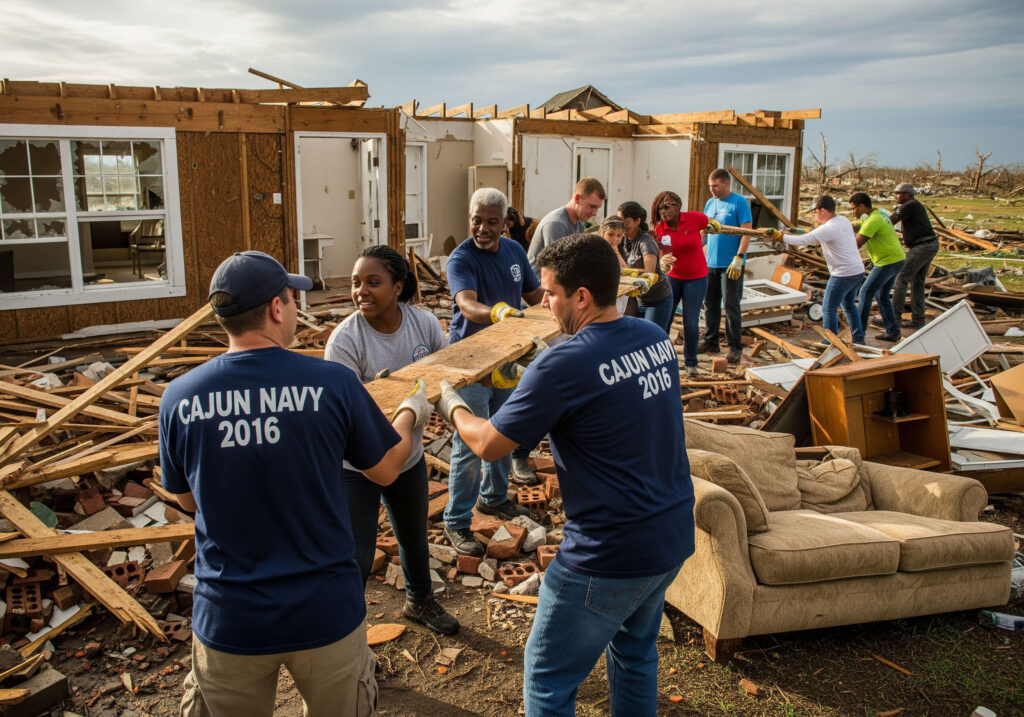
Disasters shock communities, but often push people to cooperate in unexpected ways. Instead of breaking apart, many societies pull together. Researchers and relief volunteers consistently find that altruism and solidarity surge after crises. In fact, one volunteer writes: “Decades of social science says disasters bring out the best in people”. The old notion that chaos and looting prevail is usually a myth – crime often drops and neighbors help one another more than ever.
Several social effects explain this:
- Altruistic Solidarity: studies show that survivors frequently report feelings of “community” and watching altruism flourish. Researchers suggest this is because people depend on each other, encouraging pro-social behavior and mutual aid. Stanford psychologist Jamil Zaki terms this “catastrophe compassion”: the tendency for people in and around disaster zones to act with striking kindness and cooperation.
- Volunteer and Mutual Aid Groups: It’s common for spontaneous volunteer efforts to form. For example, Team Rubicon was founded by veterans after the 2010 Haiti earthquake, and it now rapidly mobilizes volunteers nationwide whenever a disaster hits. This surge in volunteering alters social networks: people who never met before join forces, forging new community ties that can last.
- New Community Roles: In the immediate aftermath, new social roles often emerge. Ordinary citizens become first-responders, from coordinating shelters to organizing supply drives. Still, even temporary shifts can change expectations long-term: if people see a community rebuilding together, they may continue valuing neighborliness and civic participation.
- Collective Identity: Living through a disaster creates a shared experience that becomes part of a community’s identity. These collective memories (sometimes passed down as stories or annual commemorations) reinforce a sense of “we survived together,” which can strengthen local social cohesion.
In short, disasters disrupt normal life, but the reaction often tightens social bonds. Neighbors lean on each other, and people frequently report a feeling that “even the most withdrawn folks became helpful” in the crisis. These changes in social behavior, from everyday altruism to the formation of new support networks, count as profound social change.
Cultural Memory and Traditions
Beyond immediate survival, disasters reshape culture and memory. When a town is destroyed, its stories and traditions face a test: what will be remembered, and how? Often, communities actively choose how to preserve their culture in the aftermath.
- Memorials and Commemorations: Societies frequently erect monuments or hold annual events to remember a tragedy. For example, Oklahoma City holds yearly runs and vigils on April 19 to mark the 1995 bombing (a human disaster, but similar social effects). These rituals ensure that the event—and any lessons from it—stay alive in cultural memory. Even anniversaries of natural disasters become part of local tradition (like the Great Japan Earthquake anniversaries), blending into the calendar.
- New Traditions: At the same time, disaster can breed new cultural practices. In New Orleans after Hurricane Katrina, many songwriters and storytellers wove the storm into music and poetry. People whose hometown was flooded might also develop a stronger attachment to water rituals (like boat parades) that celebrate resilience.
- Stories and Oral History: In the absence of intact archives, communities pass down stories of “what happened.” These stories – whether told by elders or taught in schools – become part of culture. Survivors of the 2004 Indian Ocean tsunami, for example, shared their stories through local songs and theater, embedding the experience in local folklore.
- Heritage Loss and Rediscovery: On the flip side, disasters can wipe out heritage. Buildings, monuments and archives can be destroyed (think of Venice flooding or the 2015 Nepal earthquake toppling centuries-old temples). UNESCO notes that natural hazards cause “serious damage to heritage sites and disrupt… cultural practices”, undermining the resilience of communities. This loss forces change: when a historic meeting hall is gone, for example, people must find new venues to keep traditions alive – perhaps meeting in homes or online, which subtly alters how culture is practiced.
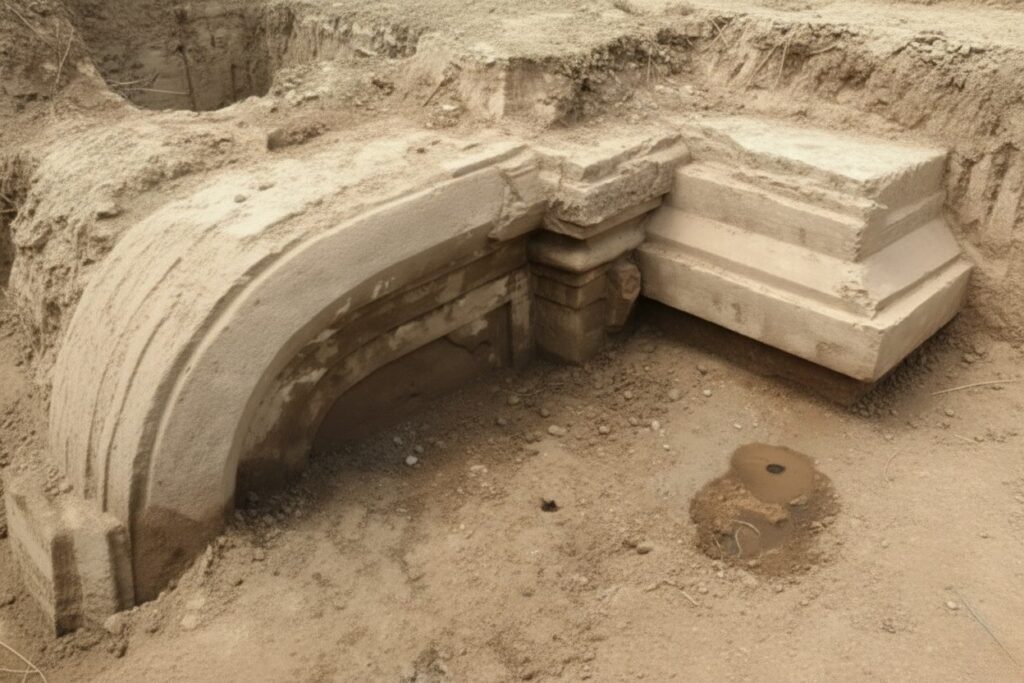
- Archaeological Discoveries: Interestingly, sometimes disasters reveal cultural artifacts. For example, a 7.7-magnitude earthquake in Myanmar (2025) caused fissures that exposed ancient palace foundations from the Konbaung Dynasty. In that case, a tragedy (a deadly quake) unexpectedly gave historians a “rare glimpse” into the past.
In all these ways, disasters leave a mark on culture: some traditions vanish, new ones appear, and collective memory shifts. The community identity is often re-forged around the event – for example, residents might say “we’re the town that rebuilt from ashes,” creating pride in resilience.
Policy, Governance and Infrastructure
Natural disasters almost always lead to policy changes and technological upgrades. Governments and organizations learn (often painfully) that old rules weren’t enough, so they rewrite them.
- Stricter Building Codes: A classic example is Hurricane Andrew (1992). It devastated South Florida’s weak buildings, prompting officials to adopt a unified, tougher Florida Building Code. New rules required hurricane straps on roofs and impact-resistant windows. Similarly, after Hurricane Katrina (2005), Louisiana and neighboring states imposed higher elevation requirements.
- Land-Use Regulations: Many coastal or floodplain communities change zoning laws post-disaster. After Japan’s 2011 tsunami, some towns forbade rebuilding on lowest-lying coastal areas. In the U.S., levee failures in New Orleans led the Army Corps of Engineers to invest $14.4 billion in flood protection. These policy shifts change not just maps but the fabric of life.
- Infrastructure and Technology Upgrades: Disasters also spur engineering advances. After Haiti’s 2010 earthquake, engineers taught local builders inexpensive earthquake-proof techniques. One expert noted “at least half” of the deaths could have been avoided with safer construction. Likewise, Japan built 395 km of new tsunami seawalls after 2011.
- Governance and Relief Policy: Beyond bricks and mortar, the political landscape can shift. A disaster often becomes a turning point in public expectations. After the 1995 Kobe earthquake, Japan’s government revamped its emergency response laws. On the international stage, frameworks like the Sendai Framework were shaped by lessons from repeated calamities.
These changes in rules and infrastructure show that disasters do not leave society exactly as it was. Every big storm or quake teaches new lessons, and governments usually codify those lessons into law. In practice, this means that a community vulnerable to flooding today may look very different a decade after a major flood: safer houses, smarter city plans, and possibly a new culture of “disaster readiness.”
Conclusion
Natural disasters can be social turning-points. They displace populations and mix cultures, but they also forge stronger communities and reshape how society works. At the same time, disasters force changes in policy and construction: hardened sea walls, revamped building codes, and new emergency laws all become part of the aftermath. Culturally, the events enter our collective memory through the traditions we adapt (like memorials and stories) and the heritage we try to preserve. Sometimes, ironically, tragedy can even unlock history, as when an earthquake uncovered a buried palace.
In each case, the social and cultural landscape after a disaster is not just a reset to “before” but often a reimagining of what a community values and how it operates. The question becomes: can we leverage these moments of change to build a safer, more connected society? If history is any guide, the answer is yes – through resilience, innovation and the solidarity that disasters so painfully reveal.