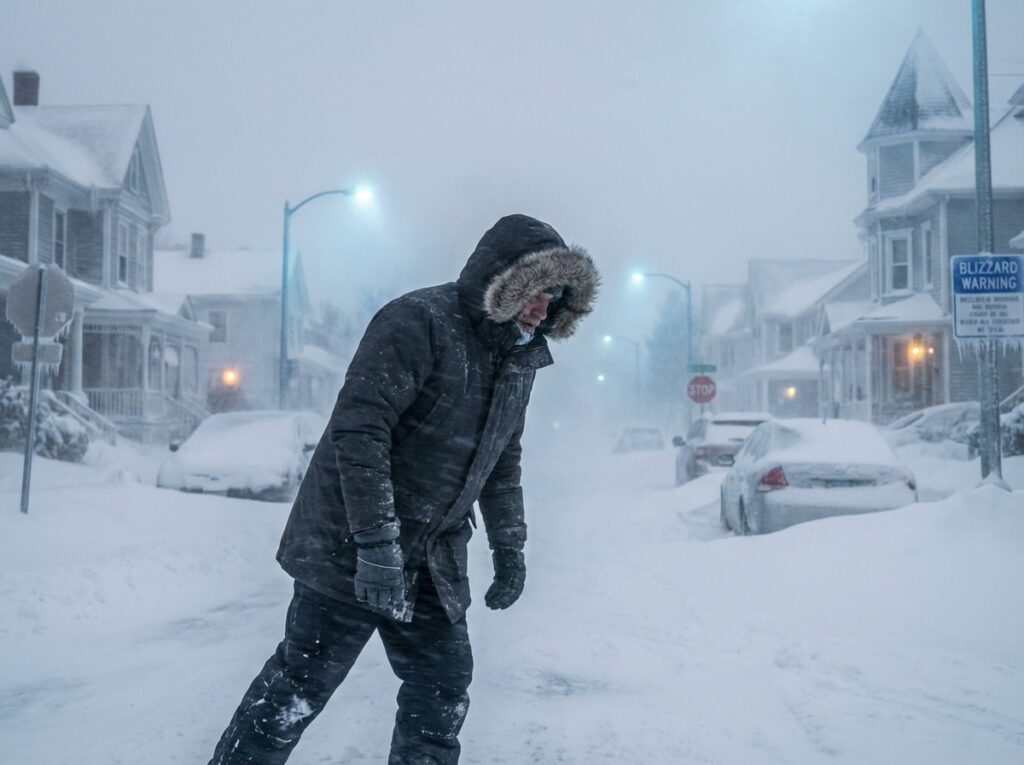

Yes, a blizzard is a natural disaster. It is a severe winter storm caused entirely by natural atmospheric conditions, capable of causing widespread destruction, death, and mass disruption to transportation, power, and emergency services. Blizzards are officially classified as natural disasters by FEMA, and federal disaster declarations are regularly issued for major blizzard events across the United States.
It’s a question that comes up more than you’d think especially when people are comparing blizzards to earthquakes or hurricanes and trying to understand how the disaster classification system actually works. The short answer is yes, blizzards absolutely qualify as natural disasters. The longer answer explains why they’re more dangerous than most people give them credit for.
What Actually Makes Something a Natural Disaster?
A natural disaster is any naturally occurring event that causes significant damage, disruption, or loss of life. The key word is “naturally occurring” meaning the event is triggered by forces of nature, not human action. Earthquakes, hurricanes, tornadoes, wildfires, floods, and blizzards all qualify under this definition.
In the United States, FEMA (the Federal Emergency Management Agency) is the federal body that officially recognizes and responds to natural disasters. When a storm or other natural event is severe enough, the President can issue a federal disaster declaration, which unlocks federal aid for affected states and communities. This has happened repeatedly for major blizzards throughout American history.
What Exactly Is a Blizzard? (Not Every Snowstorm Qualifies)
This is where people often get confused. Not every heavy snowfall is a blizzard. The National Weather Service has a specific technical definition that a storm must meet before it’s officially classified as a blizzard.
A storm is classified as a blizzard when all three of the following conditions are present simultaneously for at least three consecutive hours:
• Sustained winds or frequent gusts of 35 mph (56 km/h) or greater.
• Blowing or falling snow that reduces visibility to less than 1/4 mile (400 meters).
• These conditions must persist for at least three hours.
Notice that the definition doesn’t actually require heavy snowfall. A blizzard can occur with little to no new snow if existing snow on the ground is being picked up and driven by high winds — this is called a ground blizzard. The defining feature isn’t how much snow falls; it’s the dangerous combination of wind, reduced visibility, and duration.
| Storm type | What defines it | Blizzard? |
| Heavy snowstorm | Significant snowfall, calm or light winds, good visibility | No |
| Winter storm | Snow, sleet, or freezing rain — broad category | Not necessarily |
| Blizzard | 35+ mph winds + under 1/4 mile visibility + 3+ hours duration | Yes — by definition |
| Ground blizzard | High winds driving existing snow with little or no new snowfall | Yes |
| Severe blizzard | Winds 45+ mph, near-zero visibility, temps below 10°F | Yes — extreme category |
How to Prepare Before a Blizzard Warning
The time to prepare is before the storm arrives — not during it. Once blizzard conditions begin, you should already be inside and stocked. Here’s what matters most.
- Emergency supplies: At least 72 hours of food, water (one gallon per person per day), and medication for every household member including pets.
- Heat alternatives: Know how you’ll stay warm if power goes out — extra blankets, a propane heater for indoor use (with CO detector), or a wood stove if available.
- Carbon monoxide detector: Non-negotiable. Generator use, vehicle warming in garages, and improper heater venting all kill people during winter storms. A working CO detector is the difference between a warning and a fatality.
- Charged devices and backup power: Phone batteries, portable chargers, a weather radio in case cell service drops.
- Vehicle winter kit: If you’ll be driving before the storm, keep blankets, an ice scraper, sand or kitty litter for traction, a flashlight, and a small shovel in your vehicle.
- Know your neighbors: Elderly residents, people with disabilities, and those who live alone are at highest risk in winter storms. Checking on neighbors isn’t just kind — it saves lives.
Frequently Asked Questions
Can you get federal disaster assistance after a blizzard?
Yes, if the President issues a federal disaster declaration for the storm. FEMA provides individual and household assistance programs for affected residents, including housing assistance, personal property replacement, and crisis counseling. Not every blizzard triggers a federal declaration, it depends on the severity and the affected state’s request. Check disasterassistance.gov after a major event to see if your area qualifies.
What is the difference between a blizzard warning and a winter storm warning?
A winter storm warning means significant snow, sleet, or ice is expected — the broad category. A blizzard warning is more specific and more serious: it means the National Weather Service expects sustained winds of 35+ mph with snow or blowing snow reducing visibility to under 1/4 mile for at least three hours. Blizzard warnings indicate conditions dangerous enough to be life-threatening outside. Treat them as you would a tornado or hurricane warning with immediate action.
Are blizzards getting more severe due to climate change?
Research on this question is ongoing and nuanced. While overall snowfall trends are complex, some studies indicate that warming Arctic temperatures are disrupting the polar vortex in ways that can drive extreme cold air further south, and warmer oceans can provide more moisture for intense winter storms. What is clear is that the vulnerability of communities to winter storms through aging infrastructure, housing insecurity, and gaps in emergency preparedness affects the disaster impact regardless of storm intensity trends.